Why Rust and Corrosion Happen in Bathrooms
Rust and corrosion are not random. They are the result of constant exposure to moisture, air, and sometimes cleaning products.
In bathrooms, this process is accelerated. Steam from showers, water droplets, and poor ventilation create the perfect conditions for metal surfaces to slowly break down.
Even high-quality accessories can be affected if:
Water is left sitting on surfaces
Residue is not cleaned regularly
Air circulation is limited
Understanding this process is the first step in preventing it.
Common Causes of Rust and How to Prevent Them
|
Cause |
What Happens |
How to Prevent It |
|
Standing water |
Leads to oxidation and surface damage |
Wipe accessories dry after use |
|
High humidity |
Speeds up corrosion process |
Improve ventilation or airflow |
|
Soap and product residue |
Breaks down protective coatings |
Clean lightly and regularly |
|
Harsh cleaning chemicals |
Damages finish and exposes metal |
Use mild, non-abrasive cleaners |
|
Poor material quality |
Wears faster over time |
Choose solid brass or stainless steel |
Which Materials Resist Corrosion Best?
Not all bathroom accessories are equally resistant.
Materials such as solid brass and stainless steel are naturally more resistant to corrosion. They are designed to withstand moisture without breaking down easily.
Lower-quality alloys or coated materials may look similar at first, but they are more likely to show signs of wear over time.
In practical terms:
- Solid materials offer long-term reliability
- Lower-grade materials may require more frequent replacement
Choosing the right material from the beginning reduces the need for constant maintenance later.
Daily Habits That Prevent Long-Term Damage
The most effective way to prevent rust is not through heavy cleaning, but through small daily habits.
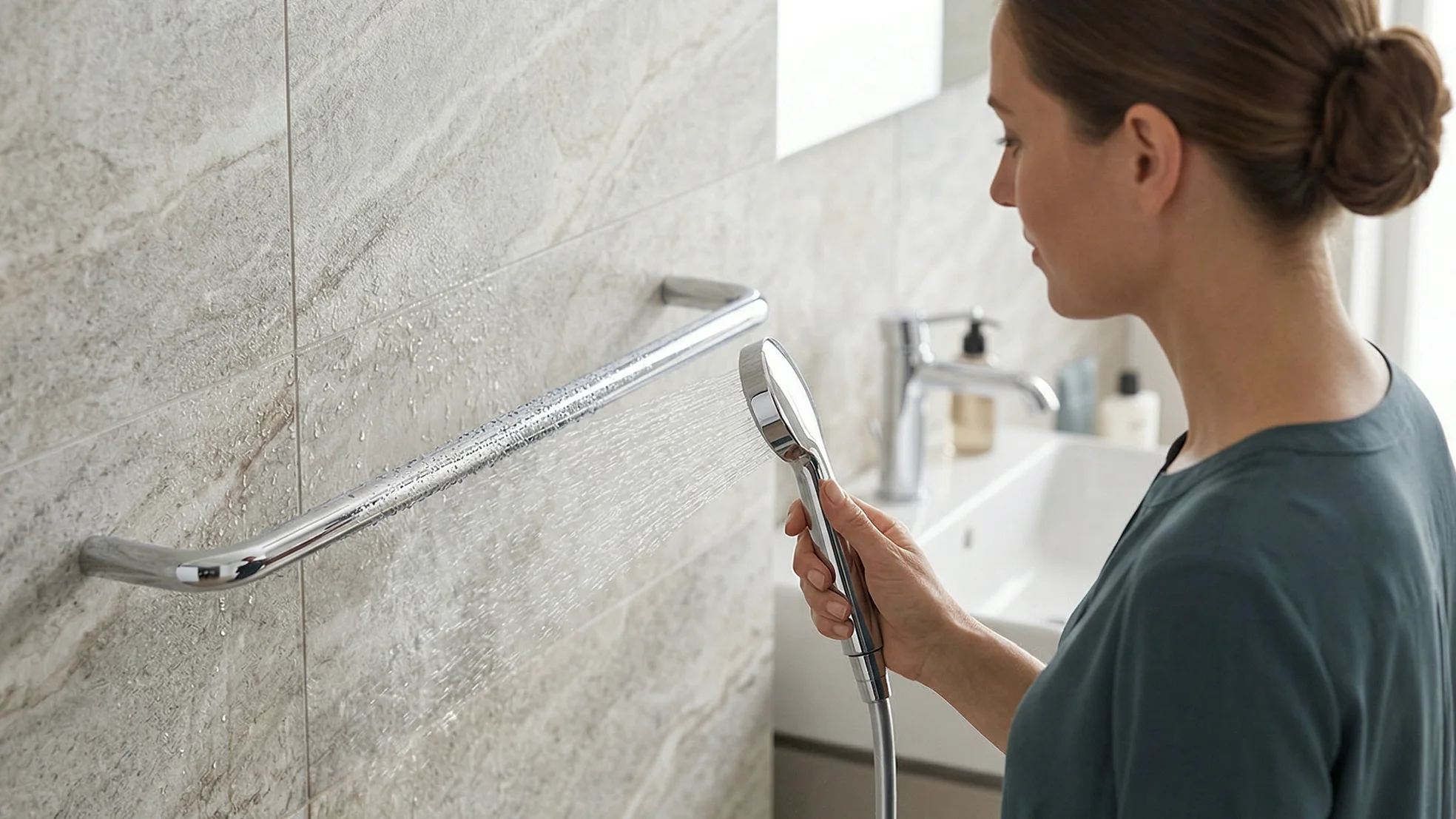
After using the bathroom, wiping down accessories removes moisture before it has a chance to settle. This is particularly important for items like towel rails, soap holders, and hooks.
Keeping the space ventilated also plays a major role. Allowing air to circulate reduces humidity levels and slows down the corrosion process.
These simple actions create a consistent environment where damage is less likely to develop.
How to Clean Bathroom Accessories Without Causing Damage
Cleaning should support the material, not weaken it.
Start with a mild cleaning solution and a soft cloth. This is usually enough to remove residue without affecting the surface.
Avoid scrubbing aggressively. Instead, allow the cleaning solution to break down buildup, then wipe gently.
Rinse if necessary and always dry the surface afterwards. This final step is often overlooked, but it is one of the most important in preventing corrosion.
Consistency matters more than intensity when it comes to cleaning.
What to Avoid If You Want to Protect the Finish
Certain habits can accelerate corrosion even on high-quality accessories.
Avoid:
- Leaving water droplets to dry naturally
- Using harsh or acidic cleaning products
- Scrubbing with abrasive materials
- Allowing soap or product residue to sit for long periods
These actions gradually weaken the surface, even if the damage is not immediately visible.
A more controlled approach always delivers better long-term results.
The Role of Finishes in Preventing Corrosion
The finish of an accessory is more than a design choice. It acts as a protective layer.
Chrome, brushed, and PVD finishes are designed to resist moisture and wear when properly maintained.
However, the effectiveness of the finish depends on how it is treated. Even the most durable coatings can lose their consistency if exposed to harsh chemicals or constant residue buildup.
If you are comparing options, it can be helpful to explore how different bathroom accessory finishes perform over time before making a decision.
Small Details That Make a Big Difference Over Time
Long-term durability is often shaped by small, repeated actions.
- Drying accessories after exposure to water
- Cleaning lightly but regularly
- Keeping the bathroom well ventilated
- Avoiding unnecessary chemical exposure
These habits do not require much effort, but they significantly extend the lifespan of your accessories.
Preventing rust and corrosion is not about intensive cleaning or complex solutions. It is about understanding how the bathroom environment affects materials and responding with simple, consistent care.
Over time, moisture and residue will always have an impact, but the way you manage them determines how visible that impact becomes. Small habits such as drying surfaces, maintaining airflow, and cleaning gently create a stable environment where accessories can retain their structure and appearance.
The difference becomes clear over the long term. Accessories that are cared for properly continue to feel solid, clean, and visually consistent, while neglected ones begin to show signs of wear much sooner.
By focusing on prevention rather than correction, you not only extend the lifespan of your bathroom accessories but also maintain the overall quality and atmosphere of the space.
Common Questions People Ask About Rust and Corrosion
Can bathroom accessories rust even if they are high quality?
Yes, if they are constantly exposed to moisture without proper care. However, high-quality materials are far more resistant.
How often should I clean bathroom accessories?
Light cleaning once or twice a week, combined with daily wiping, is usually enough.
Does ventilation really make a difference?
Yes, reducing humidity slows down the corrosion process significantly.
Are certain finishes more resistant than others?
Yes, PVD and brushed finishes tend to offer better long-term resistance when maintained properly.
What is the first sign of corrosion?
Small discolouration spots or dull areas are usually the first indicators.
Can rust be removed once it appears?
In some cases, yes, but prevention is always more effective than correction.
Do cleaning products cause corrosion?
Harsh or acidic products can damage protective coatings and accelerate corrosion.
What should I prioritise when buying accessories?
Material quality, finish durability, and ease of maintenance.
Last edit on June 2026